Channel operation
- Elapsed time
- 0s
- Estimated remaining
- Estimating…
No changes saved yet.
Keep this page open while work is running. Estimates change with channel size; leaving may interrupt unsaved work.
View results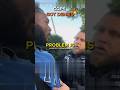
Cops Got Denied When Demanding Man's ID Without RAS
Inspector Darkmind | 2026-04-22
Description
What started with officers claiming a man made “furtive movements” quickly turned into a real Fourth Amendment test. They pointed to him looking back and shifting his bag as justification to physically restrain him and treat him like he might be armed. The real question is whether those ordinary mov...
What started with officers claiming a man made “furtive movements” quickly turned into a real Fourth Amendment test. They pointed to him looking back and shifting his bag as justification to physically restrain him and treat him like he might be armed. The real question is whether those ordinary movements gave them the Reasonable Articulable Suspicion required for a lawful Terry stop, and then the separate suspicion needed for a weapons frisk. The encounter also raises another issue a lot of people miss: police trying to pressure someone into identifying himself for paperwork when there is no solid legal basis to demand it. The officers pushed for a name to complete their stop report, but the man chose to remain silent and refused to hand over voluntary information. In the end, they let him go as “John Doe,” without getting the identity they were clearly trying to extract. Under Terry v. Ohio, police need specific, articulable facts suggesting criminal activity is afoot before they can detain someone, and they need an additional reason to believe the person is armed and dangerous before conducting a frisk. Illinois v. Wardlow makes clear that nervous or evasive behavior can be part of the totality analysis, but common movements like glancing back or adjusting a bag do not automatically create a lawful basis for a seizure or pat-down. And in most stop-and-identify situations, a name can only be compelled during a lawful detention tied to an actual offense. That is what makes the ending so important. The “John Doe” release shows what happens when officers try to turn vague behavior into a detention, then use administrative paperwork as leverage to pull personal information out of someone who knows better. Sometimes the biggest win in these encounters is not giving them the extra piece they were hoping to add to the system. Legal Focus: 4th Amendment (Terry Stop/Frisk) / Right to Anonymity / Furtive Movement Doctrine Scenario: Public Street vs. Officers’ Physical Detention and "John Doe" Release Disclaimer: This footage is shared for educational and journalistic purposes to promote constitutional literacy and legal accountability. The content is intended to demonstrate real-world applications of civil rights and is not a substitute for professional legal advice.
Transcripts
AddResources
AddCharacters
AddNotes
AddQuick Actions
Event Details
EditStats History
| Date | Views | Likes |
|---|---|---|
| 2026-10-17 | 75,259 | 2,638 |
Danger Zone
These actions cannot be undone.