Channel operation
- Elapsed time
- 0s
- Estimated remaining
- Estimating…
No changes saved yet.
Keep this page open while work is running. Estimates change with channel size; leaving may interrupt unsaved work.
View results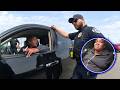
"You Talked Your Way Into That" — Bystander Tased at a $400 Felony Theft Stop | Legal Analysis
Badge Duty Vault | 2026-10-04
Description
On September 5th, 2025, officers responded to a sporting goods store for a reported theft and stopped a vehicle in the parking lot. What begins as a cooperative conversation about receipts turns into a felony retail theft arrest over a single dollar figure, a passenger who refuses two exit orders, a...
On September 5th, 2025, officers responded to a sporting goods store for a reported theft and stopped a vehicle in the parking lot. What begins as a cooperative conversation about receipts turns into a felony retail theft arrest over a single dollar figure, a passenger who refuses two exit orders, and a taser deployment on a man who never touched an officer. The legal weight of this stop is not the theft. It is what officers say on camera immediately after the force is used, and how those words connect the decision to what a bystander said rather than what he did. ───────────────────────────── ⚖️ Legal Breakdown ▪ Terry v. Ohio, 392 U.S. 1 (1968) — A brief investigative detention requires reasonable, articulable suspicion, supplied here by employee accounts and a surveillance review before officers approached. ▪ Pennsylvania v. Mimms, 434 U.S. 106 (1977) — Officers may order a driver out of a lawfully stopped vehicle with no additional justification. ▪ Maryland v. Wilson, 519 U.S. 408 (1997) — That same authority extends to passengers, which is why the second occupant's refusal was refusal of a lawful order. ▪ Graham v. Connor, 490 U.S. 386 (1989) — Force is measured against offense severity, immediate threat, and active resistance, judged from the scene rather than in hindsight. ▪ Abbott v. Sangamon County, 705 F.3d 706 (7th Cir. 2013) — Force applied to a subject who is already subdued violates clearly established law, making the timing question decisive here. ▪ City of Houston v. Hill, 482 U.S. 451 (1987) — Profane and hostile speech aimed at officers is protected, so speech alone cannot supply the justification for force. ▪ Miranda v. Arizona, 384 U.S. 436 (1966) — Custody plus questioning requires an advisement, and none appears before the driver admits to prior thefts in handcuffs. ▪ Atwater v. City of Lago Vista, 532 U.S. 318 (2001) — Probable cause for even a minor offense supports a full custodial arrest, so a citation was never owed. ───────────────────────────── 📋 Case Outcome (1) Felony retail theft — merchandise announced on scene as exceeding $400 in full retail value (2) Non-compliance with lawful exit orders by a second occupant, refused twice on camera (3) Arrest of a bystander following a taser deployment at an active arrest scene Case outcome was not publicly available at the time of this analysis. Officers: C+ Driver: C Second occupant: D+ Bystander: D ───────────────────────────── 📌 Disclaimer This video is presented for educational and documentary purposes under Fair Use (17 U.S.C. § 107). The footage was obtained via public records requests (FOIA) and is intended to provide commentary on police tactics, constitutional law, and civil rights. We do not encourage harassment of any individuals featured. ───────────────────────────── #bodycam #police #legalanalysis #retailtheft #shoplifting #useofforce #taser #fourthamendment #firstamendment #probablecause #grahamvconnor #arrest
Tags
Transcripts
AddResources
AddCharacters
AddNotes
AddQuick Actions
Event Details
EditStats History
| Date | Views | Likes |
|---|---|---|
| 2026-10-17 | 37,055 | 839 |
Danger Zone
These actions cannot be undone.